
provide structured opportunities for students to build physical fitness, creative expression, teamwork, and self-confidence through guided lessons, improvisation activities, and group performances.
As a Dance & Movement coach working within NYC DOE expectations, the primary goals are to develop students’ creative choreography skills, ensure safe and inclusive rehearsal environments, and align movement learning with standards for physical education and the arts. Objectives include: fostering choreographic vocabulary (motif, phrase, transition), building ensemble coordination and spatial awareness, and teaching regulatory practices such as warm-up/cool-down routines, injury prevention, and equitable participation strategies. These goals support both artistic growth and physical wellness while meeting district priorities for culturally responsive, standards-aligned arts instruction.
Begin each lesson with structured warm-ups that address mobility, breath, and alignment (5–10 minutes), followed by technique drills emphasizing isolations, weight transfer, and partnering fundamentals (15–20 minutes). Introduce a choreographic brief: present a theme, constraint, or stimulus; model a short motif; then guide students through tasks—explore, refine, and sequence—using iterative show-and-tell and peer feedback cycles (20–25 minutes). Use clear checkpoints for safety and regulation: demonstrate safe spotting for lifts, set maximum rehearsal duration before active rest, and implement signal protocols for stopping movement immediately if someone is hurt. Close with cooldown, reflection prompts, and brief written or verbal exit notes about choreographic choices and safety observations.
Assessment, Equity, and Regulatory Alignment:
Assess students formatively through rubric-based observations that measure creativity, technical execution, collaboration, and adherence to safety procedures, and summatively with a short ensemble performance or recorded choreographic portfolio. Embed equitable practices by offering multiple entry points for choreography (verbal, visual, kinesthetic prompts), differentiating physical demands, and ensuring culturally sustaining content choices. Maintain regulatory compliance by following NYC DOE guidance on inclusive instruction, health and safety in physical spaces, and required documentation (attendance, injury logs, consent for recordings). Teachers should review and adapt district policies to each cohort’s needs and keep families informed about rehearsal expectations and performance protocols.
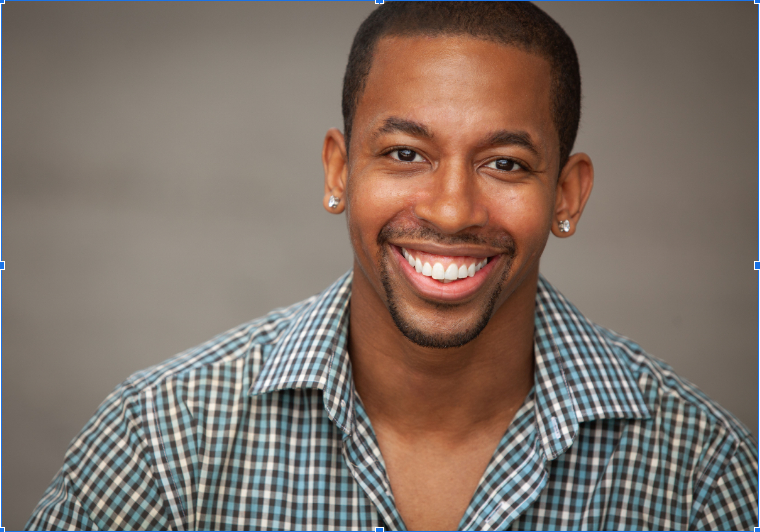
Dance classes (hiphop, popping, locking, breaking, house), theatre dance, jazz dance & ballet dance I teach music production, I teach voice lessons, and I teach acting classes